“A woman with fair opportunities, and without an absolute hump, may marry whom she likes. Only let us be thankful that the darlings are like the beasts of the field, and don't know their own power. They would overcome us entirely if they did.”
Quote by William Makepeace Thackeray
Work
Vanity Fair: A Novel Without a Hero
Vanity Fair is a satirical novel that delves into the lives of various individuals in early 19th-century England. The story follows the fortunes and misfortunes of Becky Sharp and Josiah Bounderby, highlighting the corrupting influence of wealth and power. The novel is renowned for its wit, social commentary, and intricate plot. more
Author
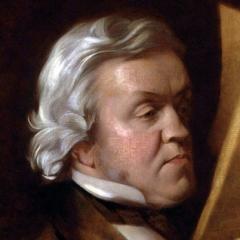
William Makepeace Thackeray
William Makepeace Thackeray was a prominent British novelist of the Victorian era, born on July 18, 1811, in India, and died on December 24, 1863. He is known for his satirical and humorous writing style and is considered one of the greatest novelists of the 19th century. His most famous work, 'Vanity Fair', is regarded as a classic of English literature. more
You May Also Like
Source: The book of snobs. Sketches and travels in London. Denis Duval
“The Pall Mall Gazette is written by gentlemen for gentlemen.”
Source: Vanity Fair: A Novel Without a Hero
Source: Delphi Complete Works of William Makepeace Thackeray (Illustrated)
Source: The adventures of Philip on his way through the world
“Women like not only to conquer, but to be conquered.”
Source: The Virginians: A Tale of the Last Century
Source: Reuben, Reuben: A Novel
Source: Minority Report
Source: Alexander Hamilton: Lapham's Quarterly - Special Issue