Quotessence
Home / Quotes / Quote by Charles Caleb Colton

Quote by Charles Caleb Colton

“Novels may teach us as wholesome a moral as the pulpit. There are "sermons in stones," in healthy books, and "good in everything.”

Quote by Charles Caleb Colton

Author
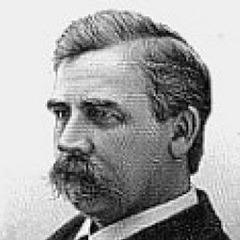
Charles Caleb Colton

Charles Caleb Colton was an English writer active from 1780 to 1832. Known for his humor and wit, he is particularly recognized for his aphorisms and satirical works. more

You May Also Like

“If it be true that men of strong imaginations are usually dogmatists--and I am inclined to think it is so--it ought to follow that men of weak imaginations are the reverse; in which case we should have some compensation for stupidity. But it unfortunately happens that no dogmatist is more obstinate or less open to conviction than a fool.”

“If our eloquence be directed above the heads of our hearers, we shall do no execution. By pointing our arguments low, we stand a chance of hitting their hearts as well as their heads. In addressing angels, we could hardly raise our eloquence too high; but we must remember that men are not angels.”

“All the poets are indebted more or less to those who have gone before them; even Homer's originality has been questioned, and Virgil owes almost as much to Theocritus, in his Pastorals, as to Homer, in his Heroics; and if our own countryman, Milton, has soared above both Homer and Virgil, it is because he has stolen some feathers from their wings.”

“All poets pretend to write for immortality, but the whole tribe have no objection to present pay, and present praise. Lord Burleigh is not the only statesman who has thought one hundred pounds too much for a song, though sung by Spenser; although Oliver Goldsmith is the only poet who ever considered himself to have been overpaid.”

“That politeness which we put on, in order to keep the assuming and the presumptuous at a proper distance will generally succeed. But it sometimes happens that these obtrusive characters are on such excellent terms with themselves that they put down this very politeness to the score of their own great merits and high pretensions, meeting the coldness of our reserve with a ridiculous condescension of familiarity, in order to set us at ease with ourselves.”