Quotessence
Home / Quotes / Quote by Charles Caleb Colton

Quote by Charles Caleb Colton

“All the poets are indebted more or less to those who have gone before them; even Homer's originality has been questioned, and Virgil owes almost as much to Theocritus, in his Pastorals, as to Homer, in his Heroics; and if our own countryman, Milton, has soared above both Homer and Virgil, it is because he has stolen some feathers from their wings.”

Quote by Charles Caleb Colton

Author
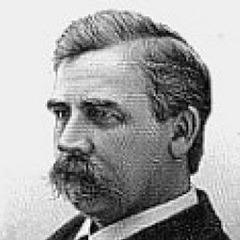
Charles Caleb Colton

Charles Caleb Colton was an English writer active from 1780 to 1832. Known for his humor and wit, he is particularly recognized for his aphorisms and satirical works. more

You May Also Like

“All poets pretend to write for immortality, but the whole tribe have no objection to present pay, and present praise. Lord Burleigh is not the only statesman who has thought one hundred pounds too much for a song, though sung by Spenser; although Oliver Goldsmith is the only poet who ever considered himself to have been overpaid.”

“That politeness which we put on, in order to keep the assuming and the presumptuous at a proper distance will generally succeed. But it sometimes happens that these obtrusive characters are on such excellent terms with themselves that they put down this very politeness to the score of their own great merits and high pretensions, meeting the coldness of our reserve with a ridiculous condescension of familiarity, in order to set us at ease with ourselves.”

“Lord Bacon has compared those who move in higher spheres to those heavenly bodies in the firmament, which have much admiration, but little rest. And it is not necessary to invest a wise man with power to convince him that it is a garment bedizened with gold, which dazzles the beholder by its splendor, but oppresses the wearer by its weight.”

“In pulpit eloquence, the grand difficulty lies here--to give the subject all the dignity it so fully deserves, without attaching any importance to ourselves. The Christian messenger cannot think too highly of his prince, nor too humbly of himself.”

“There are truths which some men despise because they have not examined, and which they will not examine because they despise. There is one signal instance on record where this kind of prejudice was overcome by a miracle; but the age of miracles is past, while that of prejudice remains.”

“Pride differs in many things from vanity, and by gradations that never blend, although they may be somewhat indistinguishable. Pride may perhaps be termed a too high opinion of ourselves founded on the overrating of certain qualities that we do actually possess; whereas vanity is more easily satisfied, and can extract a feeling of self-complacency from qualifications that are imaginary.”