Quotessence
Home / Quotes / Quote by Plato

Quote by Plato

Author

Plato
Plato

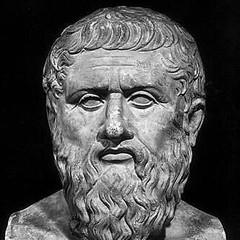
Plato (428 BC - 348 BC) was a prominent Greek philosopher, one of the most influential figures in Western philosophy. He founded the Academy, which was the first institution of higher education in the Western world. Plato's philosophy, centered around the theory of Forms, emphasized the importance of reason and morality. more

You May Also Like

“Many are the noble words in which poets speak concerning the actions of men; but like yourself when speaking about Homer, they do not speak of them by any rules of art: they are simply inspired to utter that to which the Muse impels them, and that only; and when inspired, one of them will make dithyrambs, another hymns of praise, another choral strains, another epic or iambic verses- and he who is good at one is not good any other kind of verse: for not by art does the poet sing, but by power divine.”

“For the rhapsode ought to interpret the mind of the poet to his hearers, but how can he interpret him well unless he knows what he means?”

“For not by art does the poet sing, but by power divine. Had he learned by rules of art, he would have known how to speak not of one theme only, but of all; and therefore God takes away the minds of poets, and uses them as his ministers, as he also uses diviners and holy prophets, in order that we who hear them may know them to be speaking not of themselves who utter these priceless words in a state of unconsciousness, but that God himself is the speaker, and that through them he is conversing with us.”

“If anyone comes to the gates of poetry and expects to become an adequate poet by acquiring expert knowledge of the subject without the Muses' madness, he will fail, and his self-controlled verses will be eclipsed by the poetry of men who have been driven out of their minds.”

“But of the heaven which is above the heavens, what earthly poet ever did or ever will sing worthily?”

“As a breath of wind or some echo rebounds from smooth, hard surfaces and returns to the source from which it issued, so the stream of beauty passes back into its possessor through his eyes, which is its natural route to the soul; arriving there and setting him all aflutter, it waters the passages of the feathers and causes the wings to grow, and fills the soul of the loved one in his turn with love.”