“English artists are usually entirely ruined by residence in Italy.”
Quote by John Ruskin
Author
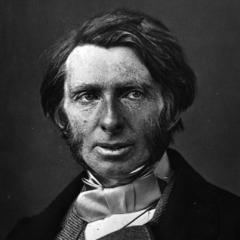
John Ruskin
John Ruskin was an influential British art critic, writer, and social critic. Known for his profound insights into art, architecture, and social issues, he had a significant impact on the aesthetics and culture of the Victorian era. more
You May Also Like
Source: The Genius of John Ruskin: Selections from His Writings
Source: The Genius of John Ruskin: Selections from His Writings
Source: Pt. 6-9 of leaf beauty. of cloud beauty. of ideas of relation
Source: The Eagle's Nest: Ten Lectures on the Relation of Natural Science to Art, Given Before the University of Oxford in Lent Term, 1872
Source: Two paths. Lectures on art, delivered before the University of Oxford in Hilary Term, 1870. Aratra Pentelici. Time and tide. Pre-Raphaelitism. The eagle's nest. King of the Golden River. The relation between Michael Angelo and Tintoret
Source: The Eagle's Nest: Ten Lectures on the Relation of Natural Science to Art, Given Before the University of Oxford in Lent Term, 1872
Source: Works. (Author's Ed.)
Source: Sesame and Lilies: Three Lectures