“Other men used their effete faiths and mean faculties with a high moral purpose. The Venetian gave the most earnest faith, and the lordliest faculty, to gild the shadows of an antechamber, or heighten the splendours of a holiday.”
Quote by John Ruskin
Work
Pt. 6-9 of leaf beauty. of cloud beauty. of ideas of relation
The series Pt. 6-9 of leaf beauty. of cloud beauty. of ideas of relation is a philosophical and artistic exploration that examines the aesthetic qualities of nature, particularly leaves and clouds, and the complex nature of human relationships. The book is a collection of essays or narratives that reflect on the beauty found in the natural world and its connection to human emotions and experiences. more
Author
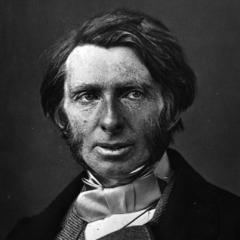
John Ruskin
John Ruskin was an influential British art critic, writer, and social critic. Known for his profound insights into art, architecture, and social issues, he had a significant impact on the aesthetics and culture of the Victorian era. more
You May Also Like
Source: The Eagle's Nest: Ten Lectures on the Relation of Natural Science to Art, Given Before the University of Oxford in Lent Term, 1872
Source: Two paths. Lectures on art, delivered before the University of Oxford in Hilary Term, 1870. Aratra Pentelici. Time and tide. Pre-Raphaelitism. The eagle's nest. King of the Golden River. The relation between Michael Angelo and Tintoret
Source: The Eagle's Nest: Ten Lectures on the Relation of Natural Science to Art, Given Before the University of Oxford in Lent Term, 1872
Source: Works. (Author's Ed.)
Source: Sesame and Lilies: Three Lectures
Source: Sesame and Lilies, etc
“Of human work none but what is bad can be perfect in its own bad way.”
Source: The Genius of John Ruskin: Selections from His Writings