“The longer we live the more we must endure the elementary existence of men and women; and every brave heart must treat society asa child, and never allow it to dictate.”
Quote by Ralph Waldo Emerson
Work
The Complete Works of Ralph Waldo Emerson: Comprising His Essays, Lectures, Poems, and Orations
The Complete Works of Ralph Waldo Emerson is a definitive compilation of the works of the American philosopher, essayist, lecturer, and poet. It encompasses his seminal essays, such as "Self-Reliance" and "Compensation," his lectures on a variety of subjects, his poetry, and his orations, which reflect his profound thoughts on individualism, nature, and the pursuit of truth. This collection provides a comprehensive view of Emerson's intellectual and literary contributions. more
Author
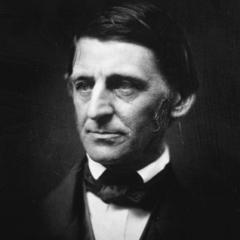
Ralph Waldo Emerson
American essayist, poet, and philosopher. Born on May 25, 1803, and died on April 27, 1882. Known for his transcendentalist philosophy, his works have had a profound impact on literature and the intellectual world. more
You May Also Like
Source: The Works of Ralph Waldo Emerson: Comprising His Essays, Lectures, Poems, and Orations
Source: Delphi Complete Works of Ralph Waldo Emerson (Illustrated)
Source: The Collected Works of Ralph Waldo Emerson: Representative men: seven lectures
Source: Delphi Complete Works of Ralph Waldo Emerson (Illustrated)
Source: The Collected Works of Ralph Waldo Emerson: Society and solitude
Source: The Prose Works of Ralph Waldo Emerson: Representative men. English traits. Conduct of life
Source: The Annotated Emerson
Source: The Annotated Emerson
Source: Emerson's Essays: Top Essays
Source: The Annotated Emerson