“To keep a faith pure, man had better retire to a monastery.”
Quote by Walter Lippmann
Work
The Stakes of Diplomacy
This book delves into the intricate world of diplomacy, examining the challenges faced by diplomats and the impact of their actions on global politics. It offers a nuanced look at the personal sacrifices and moral dilemmas that arise in the pursuit of international peace and cooperation. more
Author
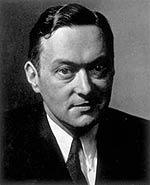
Walter Lippmann
Walter Lippmann was a prominent American writer and political commentator, born on September 23, 1889, and died on December 14, 1974. He was known for his profound insights into political and social issues and was one of the most influential political analysts in the United States during the 20th century. more
You May Also Like
“It is at the cross-roads that skepticism is born, not in a hermitage.”
Source: The Stakes of Diplomacy
Source: A Preface to Politics
“Electric cars are going to be very important for urban transportation.”
Source: The Essential Lippmann: A Political Philosophy for Liberal Democracy
“Life can be swamped by sex very easily if sex is not normally satisfied.”
Source: Drift and Mastery: An Attempt to Diagnose the Current Unrest
Source: Public Opinion
Source: A Preface to Politics
Source: The Essential Lippmann: A Political Philosophy for Liberal Democracy