Quotessence
Home / Quotes / Quote by Petrarch

Quote by Petrarch

“In my younger days I struggled constantly with an overwhelming but pure love affair - my only one, and I would have struggled with it longer had not premature death, bitter but salutary for me, extinguished the cooling flames. I certainly wish I could say that I have always been entirely free from desires of the flesh, but I would be lying if I did.”

Quote by Petrarch

Author
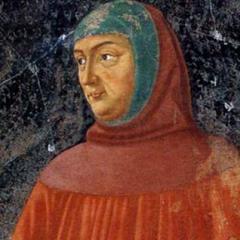
Petrarch
Petrarch

Petrarch, a renowned Italian poet of the Renaissance era, is known as the father of humanism. Born on July 20, 1304, and died on July 19, 1374, his lyrical poetry and humanist thoughts had a profound impact on later generations. more

You May Also Like

“There is no lighter burden, nor more agreeable, than a pen. Other pleasures fail us or wound us while they charm, but the pen we take up rejoicing and lay down with satisfaction, for it has the power to advantage not only its lord and master, but many others as well, even though they be far away - sometimes, indeed, though they be not born for thousands of years to come.”

“Civil liberty is only natural liberty, modified and secured by the sanctions of civil society. It is not a thing, in its own nature, precarious and dependent on human will and caprice; but it is conformable to the constitution of man, as well as necessary to the well-being of society.”

“Has it been found that bodies of men act with more rectitude or greater disinterestedness than individuals? The contrary of this has been inferred by all accurate observers of the conduct of mankind; and the inference is founded upon obvious reasons. Regard to reputation has a less active influence, when the infamy of a bad action is to be divided among a number than when it is to fall singly upon one.”

“The origin of all civil government, justly established, must be a voluntary compact, between the rulers and the ruled; and must be liable to such limitations, as are necessary for the security of the absolute rights of the latter; for what original title can any man or set of men have, to govern others, except their own consent?”