Quotessence
Home / Quotes / Quote by Thomas B. Macaulay

Quote by Thomas B. Macaulay

“No war ought ever to be undertaken but under circumstances which render all intercourse of courtesy between the combatants impossible. It is a bad thing that men should hate each other; but it is far worse that they should contract the habit of cutting one another's throats without hatred. War is never lenient but where it is wanton; when men are compelled to fight in self-defence, they must hate and avenge: this may be bad; but it is human nature.”

Quote by Thomas B. Macaulay

Author
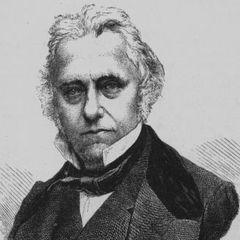
Thomas B. Macaulay
Thomas B. Macaulay

Thomas B. Macaulay, born on October 25, 1800, in Ireland, and died on December 28, 1859, in the United Kingdom, was a prominent political figure in the Victorian era. He served as the Secretary at War, playing a significant role in the British government. more

You May Also Like

“To carry the spirit of peace into war is a weak and cruel policy. When an extreme case calls for that remedy which is in its own nature most violent, and which, in such cases, is a remedy only because it is violent, it is idle to think of mitigating and diluting. Languid war can do nothing which negotiation or submission will do better: and to act on any other principle is, not to save blood and money, but to squander them.”

“The dogmas of the quiet past are inadequate to the stormy present. The occasion is piled high with difficulty, and we must rise to the occasion. We cannot escape history. We will be remembered in spite of ourselves. The fiery trial through which we pass will light us down in honour or dishonour, to the last generation. We shall nobly save, or meanly lose, our last best hope of Earth.”

“Christ said: Blessed are the peace-makers, not blessed are the peace-sayers. If the world fell into the hands of totalitarian factions, there is still the possibility that they might fight amongst themselves. Surrender to them would not encourage the kingdom of peace and love - and those that desire it, or with passionate intensity permit it, know not what they do.”

“Armaments do not, generally speaking, cause wars. This notion, the logical crux of all arguments in favor of disarmament, turns the causal relationship upside down. Actually, it is wars, or conflicts threatening war, that cause armaments, not the reverse.”