“Gene patents are the point of greatest concern in the debate over ownership of human biological materials, and how that ownership might interfere with science. As of 2005—the most recent year figures were available—the U.S. government had issued patents relating to the use of about 20 percent of known human genes, including genes for Alzheimer’s, asthma, colon cancer, and, most famously, breast cancer. This means pharmaceutical companies, scientists, and universities control what research can be done on those genes, and how much resulting therapies and diagnostic tests will cost. And some enforce their patents aggressively: Myriad Genetics, which holds the patents on the BRCA1 and BRCA2 genes responsible for most cases of hereditary breast and ovarian cancer, charges $3,000 to test for the genes. Myriad has been accused of creating a monopoly, since no one else can offer the test, and researchers can’t develop cheaper tests or new therapies without getting permission from Myriad and paying steep licensing fees. Scientists who’ve gone ahead with research involving the breast-cancer genes without Myriad’s permission have found themselves on the receiving end of cease-and-desist letters and threats of litigation.”
Quote by Rebecca Skloot
Author
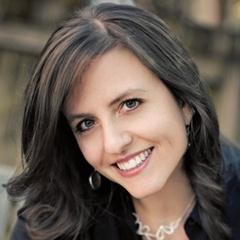
Rebecca Skloot
Rebecca Skloot is a freelance writer recognized for her contributions to science and medicine through her compelling storytelling and investigative journalism. Born in September 1972, she has made a significant impact in the field by focusing on the human aspect of scientific research. Skloot's writing often delves into the lives of individuals involved in significant scientific studies, bringing to light the personal stories behind groundbreaking research. more
You May Also Like
Source: The Jesuit and the Skull: Teilhard de Chardin, Evolution, and the Search for Peking Man
Source: Apple Cider Vinegar Handbook: Recipes for Natural Living
Source: On Sex and Gender: A Commonsense Approach
Source: Complications: A Surgeon's Notes on an Imperfect Science
“Nostalgia can be more painful than a surgeon's knife.”
Source: Half A Shadow
Source: The Voice Imitator
Source: The Checklist Manifesto - Atul Gawande: 1
Source: The V Girl: A Coming of Age Story
Source: Yet Another New Land