“When we cannot pray as we would, it is good to pray as we can.”
Quote by Charles Spurgeon
Work
Encouraged to Pray: Classic Sermons on Prayer
Browse quotes and source details for this work. more
Author
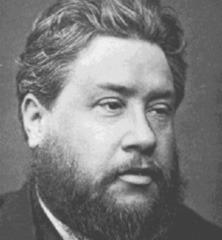
Charles Spurgeon
Charles Haddon Spurgeon, born on June 19, 1834, was a prominent Christian preacher from the United Kingdom. Known as the 'Preacher of London,' he was renowned for his passionate sermons and profound influence. Spurgeon's preaching drew thousands of listeners, and his writings had a widespread impact on the Christian world. more
You May Also Like
Source: Love and War: Finding the Marriage You've Dreamed Of
“To live is to be infinite, even when the world tells you otherwise.”
Source: Encouraged to Pray: Classic Sermons on Prayer
“Meditations on Christ will help us deepen the connection to His qualities and make them our own.”
Source: Meditations on Christ: A 5-Minute Guided Journal for Christians
“Lord, help me to stop making this memory a haven; help me instead to desire healing in this place.”
Source: Loving God and Yourself: Creating Space to Live in God's Love
Source: Parents Praying… Heaven Answers: When God Hears the Cry of Parents and Intercessors
Source: The INTP: Personality, Careers, Relationships, & the Quest for Truth and Meaning
Source: The INTP: Personality, Careers, Relationships, & the Quest for Truth and Meaning
Source: The INTP: Personality, Careers, Relationships, & the Quest for Truth and Meaning