“It was an instinctive testimony to Little Dorrit's worth and difference from all the rest, that the poor young fellow honoured and loved her for being simply what she was.”
Book:LITTLE DORRIT
“It was an instinctive testimony to Little Dorrit's worth and difference from all the rest, that the poor young fellow honoured and loved her for being simply what she was.”
Charles Dickens' 'Little Dorrit' is a complex narrative that explores themes of social class, family loyalty, and the human spirit. The story follows Amy Dorrit, a young woman who spends her formative years in the Marshalsea prison with her family, who are there due to financial debts. The novel delves into the lives of various characters, including Amy's brother Arthur, who is mistakenly believed to be a criminal, and her friend, the artist Merdle. Through these characters, Dickens critiques the British legal system and societal norms of his time. more
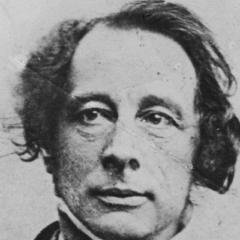
Charles Dickens, a British writer born on February 7, 1812, and died on June 9, 1870, is one of the greatest novelists of the 19th century. Known for his profound social criticism and vivid narrative style, Dickens' works extensively cover social reality, revealing various issues in the British society of the time. more
“Be strong. There is hope in any situation.”
“You live like comfortable strangers. Like characters in a play.”