“Fighting is the last resort of the ignorant!!" -- Dr. Strange”
Quote by Stan Lee
Work
Essential Amazing Spider-Man, Vol. 1
Browse quotes and source details for this work. more
Author
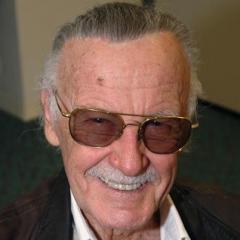
Stan Lee
Stan Lee, born on December 28, 1922, is an American comic book writer, editor, and publisher. He is one of the founders of Marvel Comics and is renowned for his unique style of storytelling and the creation of iconic superhero characters. His works include Spider-Man, Iron Man, Thor, and others, which have had a profound impact on global popular culture. more
You May Also Like
Source: Seiobo There Below
“Are you tryin' to defeat me by talking me to death?!' -- Peter Parker”
Source: Essential Amazing Spider-Man, Vol. 1
Source: The Curtain: An Essay in Seven Parts
“I find that a little bit of crazy is an essential ingredient of discovery.”
Source: Letters to Marc About Jesus: Living a Spiritual Life in a Material World – Profound Wisdom from a Renowned Christian Writer
“If all that boasting doesn't tire you out, nothing will!' -- Peter Parker”
Source: Essential Amazing Spider-Man, Vol. 1
“What's the use of complaining about something you have no intentions of changing it?”
Source: The Book of Hygge: The Danish Art of Living Well
Source: The Green Knight