“I have never known what is Arabic or English, or which one was really mine beyond any doubt. What I do know, however, is that the two have always been together in my life, one resonating in the other, sometimes ironically, sometimes nostalgically, most often each correcting, and commenting on, the other. Each can seem like my absolutely first language, but neither is.”
Quote by Edward Said
Work
Out Of Place: A Memoir
In this deeply personal memoir, Edward Said recounts his formative years growing up in Jerusalem and Cairo before moving to the United States for his education. The narrative explores his complex relationship with his Palestinian heritage and his identity as an outsider in both Arab and American societies. Said reflects on the experience of exile and displacement that shaped his intellectual life and his pioneering work in postcolonial studies. The memoir provides intimate insights into his family history, his education at Princeton and Harvard, and the development of his academic career at Columbia University. Throughout the book, Said examines what it means to belong to a place yet never feel fully at home, capturing the emotional toll of cultural and political alienation with honesty and nuance. more
Author
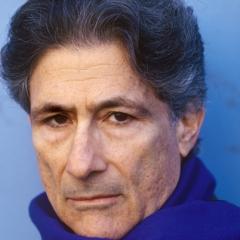
Edward Said
Edward Said was a distinguished American academic, cultural critic, and public intellectual. He served as a professor of English and comparative literature at Columbia University and is widely recognized for his seminal work 'Orientalism', which critically examines the West's depiction of the East. Born on November 1, 1935, in Jerusalem, he passed away on September 24, 2003. more
You May Also Like
Source: Knowledge of Language: Its Nature, Origin, and Use
“Absolutely nothing is so important for a nation's culture as its language.”
Source: The Diary of a Country Priest
“The hell of these days is the fear of not getting along, especially of not making money.”
“I believe that I am in hell, therefore I am there.”
Source: A Season in Hell and Other Poems