“The ordinary politician has a very low estimate of human nature. In his daily life he comes into contact chiefly with persons who want to get something or to avoid something. Beyond this circle of seekers after privileges, individuals and organized minorities, he is aware of a large unorganized, indifferent mass of citizens who ask nothing in particular and rarely complain. The politician comes after a while to think that the art of politics is to satisfy the seekers after favors and to mollify the inchoate mass with noble sentiments and patriotic phrases.”
Quote by Walter Lippmann
Work
The Essential Lippmann: A Political Philosophy for Liberal Democracy
This book compiles key essays and articles by Walter Lippmann, a prominent political theorist, focusing on the functioning and values of liberal democracy. It delves into the complexities of political decision-making, the role of the media, and the nature of public opinion. more
Author
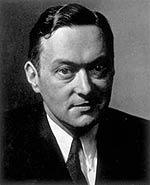
Walter Lippmann
Walter Lippmann was a prominent American writer and political commentator, born on September 23, 1889, and died on December 14, 1974. He was known for his profound insights into political and social issues and was one of the most influential political analysts in the United States during the 20th century. more
You May Also Like
“A twinge of conscience is a glimpse of God.”
Source: The wit of Peter Ustinov
Source: Aristotle Onassis
Source: Middlemarch
Source: Wise, Witty, and Tender Sayings in Prose and Verse: Selected from the Works of George Eliot