Quotessence
Home / Quotes / Quote by Richard Linklater

Quote by Richard Linklater

“Normally my process is to sit in a room and read a script and talk about it and ask questions and just create a dialogue. That goes all the way through shooting. All kinds of thoughts and ideas can find their way in there. As long as you're all on - We're just all trying to tell the story so my job as a director is just to find out what this film wants to be based on, it's just words on a page at some point but then it just needs to go to some level of believable storytelling. I'm discovering the film as I make it, to some degree.”

Quote by Richard Linklater

Author
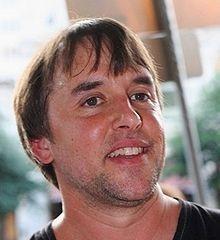
Richard Linklater
Richard Linklater

Richard Linklater, born on July 30, 1960, is an acclaimed American film director known for his unique storytelling style and profound insights into the growth of teenagers. His films often explore themes of personal growth, family relationships, and social change. more

You May Also Like

“Editing rooms are kind of, by definition, a bubble of you and the editor and what you're thinking. It's a truth-telling thing to watch it through someone else's eyes, is to get another level of real with your material. Like, "Maybe that's not that funny. Maybe that's not as interesting. Maybe that's redundant to something else. Maybe we can cut down." I don't know. It's a brutal, honest process. You've got to be pretty - You can't be sentimental. You have to be. It's a cold process. You can't be nostalgic. You have to make those tough decisions.”

“Definitely my generation and beyond grew up in theaters and when you make a film you think of the theatrical experience. You think of that big screen in the darkened theater with a lot of people, so that's always the thought behind it. If that's the case, it's nice if that's available. That's great, but I don't really mind if they're watching films on a plane. I don't mind. Anybody who just wants to watch a movie, I can't complain. If that's the way they're going to watch them, that's the way they watch them. Who am I to judge?”

“It's easy enough to predict that there will be conflict, but you place yourself in a maelstrom when you offer a view about the conflict, and I don't have an investment in one side or the other; I feel compassion for both sides. I've spent a fair amount of time in Gaza and Israel, done a lot of reporting and lived over there, and the tragedy is sometimes overwhelming. At the same time, America does have an investment in what happens.”

“I think, in fact, there's a plus and a minus to knowing my prior work, Happiness and so forth. The plus is of course you can see how I play with the characters, the storylines, and the way things play off each other. And the minus is that it makes you a little bit more self-conscious, that you're not able to enter the movie as it exists and lives and breathes, because you're so busy making references, connections that you're not able to release yourself from and take the film on your own terms.”