“The air and the earth interpenetrated in the warm gusts of spring; the soil was full of sunlight, and the sunlight full of red dust. The air one breathed was saturated with earthy smells, and the grass under foot had a reflection of the blue sky in it.”
Quote by Willa Cather
Work
Death Comes for the Archbishop
This novel, set in the rugged landscape of the American Southwest during the 19th century, delves into the life of a Catholic bishop. It explores themes of faith, isolation, and the struggle to establish a church in a new and challenging environment. more
Author
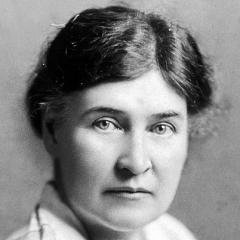
Willa Cather
American author known for her depictions of the American Midwest. Cather's works often feature female protagonists, showcasing their resilience and growth in challenging environments. Her notable works include 'My Ántonia' and 'O Pioneers!' more
You May Also Like
“The University brings out all abilities, including incapability.”
“Only in dreams of spring Shall I ever see again The flowering of my cherry trees.”
Source: Major Works
Source: The works of Robert Burns: containing his life, by John Lockhart, esq. ; the poetry and correspondence of Dr. Currie's edition ; biographical sketches of the poet by himself, Gilbert Burns, Professor Stewart, and others
Source: The Collected Poems of Wallace Stevens
Source: My Summer in a Garden
“From all these trees, in the salads, the soup, everywhere, cherry blossoms fall.”
Source: The Poetical Works of Robert Burns. To which are Now Added, Notes Illustrating Historical, Personal, and Local Allusions. [The Editor's Preface Signed: R. C., I.e. Robert Chambers.]