“The best ground untilled, soonest runs out into rank weeds. A man of knowledge that is negligent or uncorrected, cannot but grow wild and godless.”
Quote by Joseph Hall
Work
The Works of Joseph Hall: Devotional works; Miscellaneous theology
This compilation includes a variety of works by Joseph Hall, covering both devotional and theological themes. The texts delve into religious contemplation and theological exploration, reflecting Hall's deep engagement with spiritual and philosophical matters. more
Author
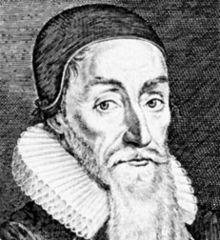
Joseph Hall
Joseph Hall, a renowned English writer, was born on July 1, 1574, and died on September 8, 1656. Known for his satirical works, Hall's influence has been profound on subsequent literature and thought. more
You May Also Like
Source: The Works of Joseph Hall DD Successively Bishop of Exeter and Norwich: With Some Account of His Life and Sufferings
“Our good purposes foreslowed are become our tormentors upon our deathbed.”
Source: The Works of Joseph Hall: Practical works
Source: Works
Source: The Works of Joseph Hall: Latin theology with translations
Source: The Works: Now First Collected : with Some Account of His Life and Sufferings. Devotional works
Source: The Works of Joseph Hall: Devotional works; Miscellaneous theology