“Debating clubs among boys are very useful, not only as affording pleasant meetings and interesting discussions, but also as serving for training grounds for developing the knowledge and the qualities that are needed in public life.”
Quote by Annie Besant
Work
The Birth of New India: A Collection of Writings and Speeches on Indian Affairs
This book is a collection of various writings and speeches that explore the historical and political changes in India, offering insights into the nation's development and the voices of its leaders and thinkers. more
Author
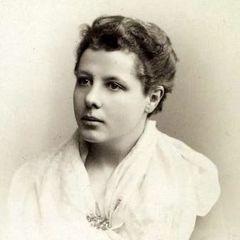
Annie Besant
Annie Besant was a prominent social reformer, writer, and member of the London School Board. Born on October 1, 1847, she dedicated her life to improving the conditions of the working class and advocating for women's rights. She played a significant role in the Indian independence movement and was a leader in the Theosophical Society. Annie Besant passed away on September 20, 1933. more
You May Also Like
Source: The Theosophical Writings of Annie Besant
“If you don't write good music, people aren't going to listen to anything you say.”
Source: Annie Besant: An Autobiography
Source: The Theosophical Writings of Annie Besant
Source: The Theosophical Writings of Annie Besant
Source: Woman and the New Race