“I travel because I like to move from place to place, I enjoy the sense of freedom it gives me, it pleases me to be rid of ties, responsibilities, duties, I like the unknown; I meet odd people who amuse me for a moment and sometimes suggest a theme for a composition; I am often tired of myself and I have a notion that by travel I can add to my personality and so change myself a little. I do not bring back from the journey quite the same self that I took”
Quote by W. Somerset Maugham
Work
the Gentleman in the Parlour
This 19th-century novel delves into the complexities of 19th-century English society, focusing on the interactions between a gentleman and his guests in a parlour. The story examines the nuances of class distinctions and the dynamics of social interactions during that era. more
Author
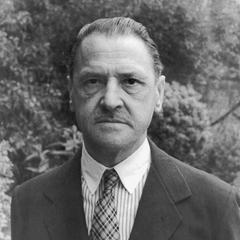
W. Somerset Maugham
W. Somerset Maugham was a British playwright known for his sharp wit and insightful portrayal of human nature. Born on January 25, 1874, and passing away on December 16, 1965, Maugham's plays often delved into the complexities of human relationships and the social dynamics of his era. more
You May Also Like
Source: Nonzero: The Logic of Human Destiny
Source: The Collected Works of Chogyam Trungpa: Volume Eight: Great Eastern Sun; Shambhala; Selected Writings
Source: The Collected Works of Chogyam Trungpa: Volume Eight: Great Eastern Sun; Shambhala; Selected Writings
Source: The Collected Works of Chogyam Trungpa: Volume Eight: Great Eastern Sun; Shambhala; Selected Writings
“Jeff knew full well what he was walking away from. Again, he needed to deal with this right away.”