“Moths, and all sorts of ugly creatures, hover about a lighted candle. Can the candle help it?”
Quote by Charles Dickens
Work
Delphi Complete Works of Charles Dickens (Illustrated)
This volume gathers the entirety of Charles Dickens's literary output, encompassing his famous novels, short stories, and miscellaneous writings. Dickens stands as one of the most influential English novelists of the Victorian period, known for his vivid characterizations, social commentary, and narrative mastery. The collection includes illustrated content and represents a complete compilation of his written works, offering readers the opportunity to explore the full scope of Dickens's literary legacy in a single edition. more
Author
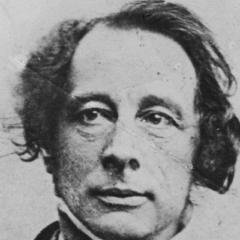
Charles Dickens
Charles Dickens, a British writer born on February 7, 1812, and died on June 9, 1870, is one of the greatest novelists of the 19th century. Known for his profound social criticism and vivid narrative style, Dickens' works extensively cover social reality, revealing various issues in the British society of the time. more
You May Also Like
“If wishes were horses, beggars would ride.”
Source: The lollipop shoes
Source: The Works of Edmund Spenser: With Observations on His Life and Writings
Source: Home: A Novel
Source: The Disreputable History of Frankie Landau-Banks
“For things at a common destination there is a common path. Not always easy to see. But there.”
Source: No Country for Old Men