“Bergen zoals deze, en reizigers in de bergen, en hun lotgevallen treft men niet alleen aan in Zen-literatuur, maar in de exemplarische vertellingen van iedere grote religie. De allegorische voorstelling van een natuurlijke berg voor de geestelijke berg die tussen iedere ziel en zijn doel staat, werpt zich makkelijk en als vanzelfsprekend op. Zoals iedereen in het dal beneden ons, staan de meeste mensen hun hele leven voor de aanblik van de geestelijke bergen in hun leven waarin zij zich nooit begeven, tevreden als ze zijn met de verhalen van degenen die er geweest zijn, en op die manier vermijden ze de beproevingen. Sommige reizen in de bergen begeleid door ervaren gidsen die de beste en minst gevaarlijke wegen kennen die tot hun bestemming leiden. Weer anderen, meest onervaren en zonder vertrouwen, wagen het hun eigen weg te ontdekken. Slechts weinigen slagen daarin, maar af en toe halen enkelen het door louter wilskracht, geluk en genade. Zodra zij zijn gearriveerd beseffen zij beter dan alle anderen dat er niet één, of een vast aantal wegen bestaat. Er zijn zoveel wegen als er afzonderlijke zielen zijn.”
Quote by Robert M. Pirsig
Work
Zen and the Art of Motorcycle Maintenance: An Inquiry Into Values
This book combines a travel narrative with a philosophical inquiry, examining the concepts of quality, truth, and the nature of reality. The author reflects on these ideas while on a motorcycle journey with his son, engaging in discussions that delve into the essence of human values and the pursuit of meaning in life. more
Author
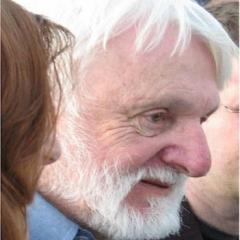
Robert M. Pirsig
Robert M. Pirsig was an American writer best known for his philosophical novel 'Zen and the Art of Motorcycle Maintenance.' This work combines philosophical thinking with travel adventure, exploring the concepts of quality, value, and the meaning of life. more
You May Also Like
“De hellingen van de berg dragen het leven, niet de top.”
Source: Zen and the Art of Motorcycle Maintenance: An Inquiry Into Values
“Iedere inspanning die zelfverheerlijking tot uiteindelijk doel heeft, moet op een ramp uitdraaien.”
Source: Zen and the Art of Motorcycle Maintenance: An Inquiry Into Values
Source: The Lady and the Monk: Four Seasons in Kyoto
Source: The Lady and the Monk: Four Seasons in Kyoto
Source: The Lady and the Monk: Four Seasons in Kyoto