“Materialism sets us free from sin-by proving that there is no such thing as sin. There's just antisocial behavior, which we can control with measures like laws and educational programs.”
Quote by Phillip E. Johnson
Work
Defeating Darwinism by Opening Minds
This book delves into the arguments and discussions surrounding the theory of evolution, examining the perspectives that challenge Darwinism and the ways in which these ideas impact contemporary intellectual discourse. more
Author
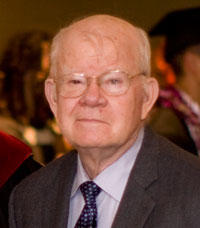
Phillip E. Johnson
Phillip E. Johnson is a renowned law professor born on June 18, 1940. He is well-known in the American legal community for his support of intelligent design in science education. more
You May Also Like
Source: Reason in the Balance: The Case Against Naturalism in Science, Law & Education
Source: Where Good Ideas Come From
Source: Where Good Ideas Come From
Source: Where Good Ideas Come From
“When you don't have to ask for permission innovation thrives.”
Source: Where Good Ideas Come From
Source: The Ghost Map: The Story of London's Most Terrifying Epidemic--and How It Changed Science, Cities, and the Modern World