“It would be nice and fairly nearly true, to say that 'from that time forth, Eustace was a different boy.' To be strictly accurate, he began to be a different boy. He had relapses. There were still many days when he could be very tiresome. But most of those I shall not notice. The cure had begun.”
Quote by C. S. Lewis
Work
The voyage of the Dawn Treader
C.S. Lewis' The Voyage of the Dawn Treader is a fantasy tale that follows a young prince and his companions on a magical journey across the seas. The story is filled with mythical creatures, mysterious islands, and moral lessons, making it a beloved classic in children's literature. more
Author
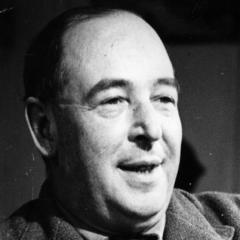
C. S. Lewis
C. S. Lewis was a British novelist, academic, and Christian theologian. He is renowned for his fictional works, particularly The Chronicles of Narnia, a series of fantasy novels that have become a beloved classic of children's literature. Lewis also penned adult fiction, including the science fiction trilogy Out of the Silent Planet and the space trilogy. His non-fiction works, such as Mere Christianity and The Problem of Pain, have had a significant impact on Christian thought and spirituality. more
You May Also Like
Source: Two Gentlemen Verona: Third Series
“It was all a matter of control. And Choice. Nothing more, nothing less”
“It is much more intelligent, more practical, to be good rather than evil.”
“When you choose your attitude toward life, you can affect reality by making it better for you”
“Sometimes I write stuff that strangely predicts what's going to happen in my life.”
Source: Clear and Present Danger
Source: Clear and Present Danger
Source: Thoughts In Solitude
Source: Safe Haven
Source: Speaker for the Dead