“You can't stop people from talking about you, but you can stop giving them something to talk about.”
Quote by Miley Cyrus
Author
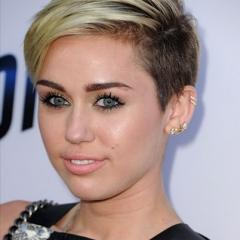
Miley Cyrus
Miley Cyrus, born on November 23, 1992, is an American actress and singer. She gained widespread popularity for her role in the Disney Channel series 'Hannah Montana', which turned her into a teen idol. Cyrus has also achieved great success in her music career, with many of her songs topping the pop music charts. In addition to her acting and music, Cyrus is actively involved in charity work and is known for her unique fashion sense and personality. more
You May Also Like
Source: The Jodi Picoult Reader's Companion: A Collection of Excerpts
Source: The Jodi Picoult Collection #3: Vanishing Acts, The Tenth Circle, and Nineteen Minutes
Source: the bell jar
“this might be the happy ending without the ending”
Source: How They Met and Other Stories
“right in this moment, I can´t even remember what unhappy feels like.”
Source: Shiver Trilogy (Shiver, Linger, Forever)
Source: The Scarlet Letter (Annotated And Illustrated Edition)
“Only by living at the edge of death can you understand the indescribable joy of life - Shogun.”
Source: SHOGUN
Source: The Teeth Of The Tiger