Quotessence
Home / Quotes / Quote by Sarah Waters

Quote by Sarah Waters

“As she mader the long journey home to Champion Hill she felt what she had tried and failed to feel the day before: she looked at the city and was sick with love for it, sick with yearning to remain a part of it, to remain alive and young and unconfined and bursting with sensation. Her tired muscles began to ache, but even the ache was dear to her, even the blisters on her heels. She'd be a thing of aches and blisters for the rest of her days, she thought; she'd ask for nothing, trouble no one; if only they'd let her keep her freedom, if only they'd let her keep her life.”

Quote by Sarah Waters

Work

The Paying Guests

In this atmospheric and suspenseful story, a woman and her sister take in lodgers to make ends meet during the Great Depression. The arrival of a mysterious couple adds a layer of intrigue and danger to their lives, as secrets and desires intertwine in a tense and compelling narrative. more

Author

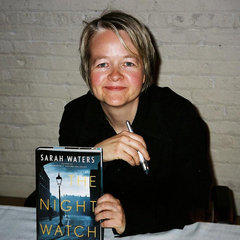
Sarah Waters
Sarah Waters

Sarah Waters is a renowned British contemporary novelist, born on July 21, 1966. Her works are known for their delicate emotional descriptions and profound social insights, particularly for her focus on female emotions and gender issues. Her notable works include 'Fictional Holmes' and 'Tipping the Velvet'. more

You May Also Like

“At the liquor store, we select a bottle of wine based on one very important factor: price. The cheaper the better. Then we head home, change into comfier clothes, pull out our plastic wineglasses (very classy), and start up a K-drama that we've been meaning to watch for ages. See? This is the great thing about being in your thirties, childless, and living with a roommate. You can do things like this, whereas Allison is probably wrangling her children into bed, trying to reason with them about monsters under the bed or similar.”

“The most misrepresented value today is certainly the value of liberty. […] for a hundred years a society of merchants made an exclusive and unilateral use of liberty, looking upon it as a right rather than as a duty, and did not fear to use an ideal liberty, as often as it could, to justify a very real oppression. As a result, is there anything surprising in the fact that such a society asked art to be, not an instrument of liberation, but an inconsequential exercise and a mere entertainment?”