“Die Augen hielten ihn fest, rote Augen in all dem Schwarz wild und dumpf zugleich, verloren in sich selbst ohne Gestern oder Morgen, ohne Licht und Wärme, gefangen in der eigenen Kälte frierender Bosheit.”
Book:Inkdeath
“Die Augen hielten ihn fest, rote Augen in all dem Schwarz wild und dumpf zugleich, verloren in sich selbst ohne Gestern oder Morgen, ohne Licht und Wärme, gefangen in der eigenen Kälte frierender Bosheit.”
In 'Inkdeath,' readers are transported to a world where ink is not just a medium for writing but a fundamental force. The story delves into the lives of characters who must navigate a society where magic and ink are intertwined, facing challenges that test their abilities and resilience. more
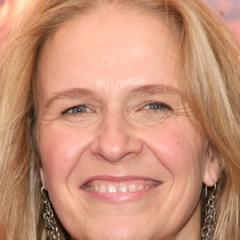
Cornelia Funke, born on December 10, 1958, is a renowned German children's literature author. Her works are highly praised for their rich imagination, unique narrative style, and profound humanistic concerns. Funke's writing covers a variety of themes including fantasy, adventure, and growth, and has won the hearts of readers worldwide. more
“Salvation is the soul made perfect, free from the evil of sin.”
“God wants to bring super-good out of each and every situation, even those that are intensely evil.”
“Do not presume that richness or poorness will bring you happiness.”