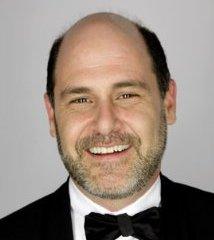
“I think there's a kind of elegance to it, to work within that framework where what you don't see is often more enticing.” Quote by Matthew Weiner
“"The Anatomy of Terror: From the Death of Bin Laden to the Rise of the Islamic State": I was happy that we finally got him. And a lot of my colleagues and friends that I know who sacrificed so much, some of them their lives, you know, finally can rest, knowing that he's dead.But also, at the same time, I kind of was troubled that we are now not fighting an organization anymore. The terrorists, the threat mutated to a message. Bin Laden accomplished something way bigger. He had a message that was spreading around the Muslim world.” WorldKindFightingThreatTerrorTerroristIslamicAccomplishedBin LadenAnatomy Author:Ali Soufan
“Unfortunately, on May 2, 2011, we killed bin Laden, but we didn't kill his message. His message lives.” Bin Laden Author:Ali Soufan
“Today, we see ISIS dwindling. We see that terrorist organization, with all their bravado, losing their territory and going back from a proto-state to an underground terrorist organization.” TodayLosingTerrorist Author:Ali Soufan
“The truth is, it's very hard looking back... we look at holocaust now with such knowledge and such a sense of the horror of what it was, that it's hard to believe even now that in 1930s and 1940s, before something like this had happened, that it could be impossible to imagine the extent of this horror.” BelieveImagineImpossibleHorrorTruth IsHolocaustLooking Back1930sHard To Believe Author:David Heyman
“But there's something about the simplicity of Auschwitz... there's just nothing. There's just photographs, there's a room full of limbs, a room full of hair, and then you go into the place where the gas chambers were. You walk down these halls and the efficiency of it is so inhuman. The place is so powerful, just for its utter bald, bare simplicity.” PowerfulPhotographSimplicityGasEfficiencyInhumanAuschwitz Author:David Heyman
“I genuinely try to make movies I'd want to go and see, movies that are a bit more challenging.” TryingChallenges Author:Ben Wheatley
“I tend to shoot really quick so you don't get the problems you might get on a traditional film where you shoot one way, then another, and it's pissing down with rain and they won't cut together. We shoot so fast we can incorporate the weather into it. The worst weather we had was when they were in the caravan up the mountain and there was no cover. One man's weather is another man's production value. To create the sleet would cost a fortune but we got it for free so we'll just have to go with it.” ProblemTogetherFilmValuesCuttingWorstMountainRain Author:Ben Wheatley
“If you make a movie in the UK you've got to embrace the weather with open arms... We got some of the most amazing weather as well. It's maybe why some of these places, like the Lake District, don't get filmed in so much. If you were trying to make it look like some kind of chocolate box image of England you'd be there all year waiting for the sun to come out.” TryingKindWaitingEmbraceChocolateMost Amazing Author:Ben Wheatley
“Sometimes dramas or happenings from 10 or 20 years ago are kept alive by people on a daily basis, whether it's personal issues or bigger things such as what happened with Princess Diana in your country. Some people are still obsessed by that... or JFK and can't let it go. Films and newspaper articles keep being born out of those events.” PeopleCountrySometimesFilmDramaObsessedPrincessLet It Go Author:Thekla Reuten
“More and more, and especially over the last two decades, we've found out how many conspiracies there actually are. We really don't know the exact truth about a lot of things. We know there are big things going on involving huge companies and industries, whether it's money involved or oil or things in their own country, but there are personal interests at play and it's a very well woven network that's hard to break down. Sometimes it is hard, for us, to know who is telling the truth.” CountrySometimesInterestBreakTelling The TruthConspiracyBreaking Down Author:Thekla Reuten