“In your twenties you're becoming who you're going to be and so you might as well not be an asshole.”
Quote by Cheryl Strayed
Work
Tiny Beautiful Things: Advice on Love and Life from Someone Who’s Been There
This book offers a compilation of heartfelt and practical advice on matters of love, relationships, and personal growth, drawn from the author’s own life experiences and profound understanding of human emotions and situations. more
Author
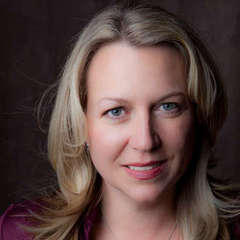
Cheryl Strayed
Cheryl Strayed is an American author who gained fame with her memoir 'Wild', which tells the story of her solo hike on the Pacific Crest Trail. The novel, which was later adapted into a film, has been praised for its profound personal narrative and exploration of themes of female self-discovery. Her work has been celebrated for its deep personal storytelling and exploration of themes of female self-discovery. more
You May Also Like
Source: Tiny Beautiful Things: Advice on Love and Life from Dear Sugar
Source: Tiny Beautiful Things: Advice on Love and Life from Someone Who’s Been There
Source: Tiny Beautiful Things: Advice on Love and Life from Dear Sugar
Source: The Inheritance Cycle Complete Collection: Eragon, Eldest, Brisingr, Inheritance
Source: The Golden Lily: A Bloodlines Novel
Source: Kahlil Gibran: Masterpieces
Source: On Love: A Novel
Source: You Are Special: Words of Wisdom for All Ages from a Beloved Neighbor