“With all my heart, and all my soul, I will love you till the winds don't blow. Until the oceans turn to stone, my love is yours and yours alone. My love is forever, until forever's gone.”
Quote by Kenny Rogers
Author
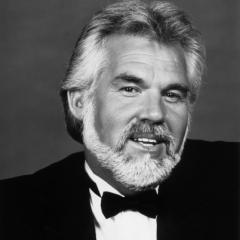
Kenny Rogers
Kenny Rogers is a renowned global singer and songwriter, known for his heartfelt voice and classic country music hits. Born on August 21, 1938, Rogers began his music career in the 1960s and has released over 40 albums to date, with numerous popular songs such as 'The Gambler' and 'Islands in the Stream'. His musical career has spanned multiple genres, including country, pop, and adult contemporary, making him one of the most influential artists in music history. more
You May Also Like
Source: Lincoln on War
“There is nothing so likely to produce peace as to be well prepared to meet the enemy.”
Source: Maxims of Washington: Political, Social, Moral, and Religious
“The common excuse for those bringing misfortune on others is that they desire their good.”
Source: War and the Rise of the State: The Military Foundations of Modern Politics
Source: Men Against Fire: The Problem of Battle Command in Future War
Source: THOMAS PAINE Ultimate Collection: Political Works, Philosophical Writings, Speeches, Letters & Biography (Including Common Sense, The Rights of Man & The Age of Reason): The American Crisis, The Constitution of 1795, Declaration of Rights, Agrarian Justice, The Republican Proclamation, Anti-Monarchal Essay, Letters to Thomas Jefferson and George Washington…