“Studies by Medical Corps psychiatrists of combat fatigue cases... found that fear of killing, rather than fear of being killed, was the most common cause of battle failure, and that fear of failure ran a strong second.”
Quote by Samuel Lyman Atwood Marshall
Work
Men Against Fire: The Problem of Battle Command in Future War
This book delves into the complexities of battlefield command and the evolving nature of warfare, focusing on the potential challenges that may arise in future military engagements. more
Author
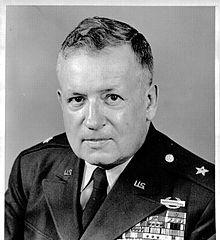
Samuel Lyman Atwood Marshall
Samuel Lyman Atwood Marshall was a renowned historian known for his research on Sino-American relations. Born on July 18, 1900, he passed away on December 17, 1977. Marshall had a deep academic background in history and his research covered various aspects, including politics, economy, and culture. more
You May Also Like
Source: THOMAS PAINE Ultimate Collection: Political Works, Philosophical Writings, Speeches, Letters & Biography (Including Common Sense, The Rights of Man & The Age of Reason): The American Crisis, The Constitution of 1795, Declaration of Rights, Agrarian Justice, The Republican Proclamation, Anti-Monarchal Essay, Letters to Thomas Jefferson and George Washington…
“I mean, that's more children than died in Hiroshima - and you know, is the price worth it?”
“I think this is a very hard choice, but the price - we think the price is worth it.”
Source: Politics
“The bad thing of war is, that it makes more evil people than it can take away.”