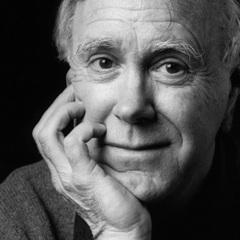
“My suspicion is that once you have literacy in place, the readership has not changed very much.” Quote by Robert Hass
“My first book was published when I was thirty-two, so I think it was basically finished when I was thirty or thirty-one. And so then you think, "Well, what have you failed to do?" And my answer to myself was almost everything.” ThinkingFirstsWellsTwoBookAnswersFinishedThirty Author:Robert Hass
“Prose gets divided up into fiction and nonfiction and short fiction and long fiction and autobiographical nonfiction and so on. Poetry can do any of those things except with the added definition of intensified formal pressure.” LongCan DoFictionPressureDefinitionsProseDividedNonfictionFormalFiction And Nonfiction Author:Robert Hass
“When I began writing poems, it was in the late 60s and early 70s when the literary and cultural atmosphere was very much affected by what was going on in the world, which was, in succession, the civil rights movement, the antiwar movement, and the women's movement in the 60s, 70s, and into the early 80s. And all of those things affected me and affected my thinking, particularly the Vietnam War.” ThinkingWorldWritingWarRightsMovementLateCivil RightsAtmosphereAffectedVietnamAntiwar80sVietnam WarSuccessionCivil Rights MovementWriting Poems Author:Robert Hass
“Like everyone else, I was at least peripherally involved in the antiwar movement. You woke up every morning feeling tormented about what was going on in Vietnam. It seemed to a lot of us like a catastrophe from the very beginning, inflicting immense and needless suffering on not only the American soldiers but on a lot of innocent peasants who were caught in a Cold War proxy battle - two million Vietnamese died during those years, and you woke up every morning knowing that that was going on.” YearsTwoWarFeelingsSufferingMorningMillionsKnowingMovementColdInvolvedBattleDiedSoldierCaughtInnocentVietnamAntiwarImmenseEvery MorningCold WarCatastrophePeasantsVietnameseAmerican SoldierProxy Author:Robert Hass
“Poetry is a man arguing with himself; rhetoric is a man arguing with others.” MenArguingPoetry IsRhetoric Author:Robert Hass
“If you were making poetry out of convictions - trying to convince other people - you were in the territory of rhetoric, and that wasn't the territory of poetry. I think that's pretty smart. I think that it doesn't need to be altogether true, but that was my starting place.” PeopleIfsThinkingNeedsTryingSmartStartingConvictionConvinceTerritoryRhetoric Author:Robert Hass
“One of the interesting things about the history of poetry in the 16th, 17th, and 18th centuries is that people who read liked getting their information in rhyme just as much as in prose. The genre that we would think of as nonfiction often was written in verse in forms like the Georgic when people thought that one of the tasks of poetry was conveying arguments and information in a pleasant way.” PeopleThinkingWayFormInterestingWrittenCenturyInformationArgumentTasksGenrePleasantProseNonfictionVersesRhymeInteresting Things18th CenturyConveying Author:Robert Hass
“After Pope, in the beginning of Romanticism, people developed the idea that imagination rather than reason was a special form of knowledge and its best expression is through poetry. Therefore, poetry should not try to do the stuff that mere prose does: convey information or make arguments about ideas.” PeopleShouldTryingDoeIdeasReasonFormStuffImaginationSpecialInformationExpressionArgumentMereProsePopeRomanticism Author:Robert Hass
“Milton was the first person who really experimented with putting politics into sonnets.” FirstsPersonsSonnetFirst PersonMilton Author:Robert Hass