“The greatest threat to civility - and ultimately civilization - is an excess of certitude. The world is much menaced just now by people who think that the world and their duties in it are clear and simple. They are certain that they know what - who - created the universe and what this creator wants them to do to make our little speck in the universe perfect, even if extreme measures - even violence - are required.”
Quote by George Will
Work
One Man's America: The Pleasures and Provocations of Our Singular Nation
This book delves into the multifaceted nature of the United States, examining its cultural nuances, societal challenges, and individual experiences through the eyes of the author. more
Author
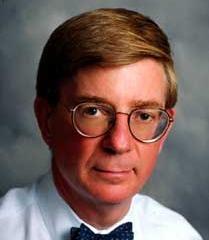
George Will
George Will (born May 4, 1941) is a prominent American conservative political commentator, columnist, and author. He is best known for his syndicated column in The Washington Post, which earned him a Pulitzer Prize for Commentary in 1977. Will is also a regular contributor to Fox News and has written numerous books on politics, culture, and baseball. His work emphasizes traditional values, limited government, and free markets, making him a key figure in modern American conservatism. more
You May Also Like
Source: If I am assassinated ...
Source: Choke: A Novel
Source: A Power Governments Cannot Suppress
“But you people do not understand me, and I am afraid you never will.”
Source: Complete letters: with reproductions of all the drawings in the correspondence