Quotessence
Home / Quotes / Quote by John Ruskin

Quote by John Ruskin

Work

Modern Painters

Modern Painters is a multi-volume work by the English critic John Ruskin, first issued between 1843 and 1860. The text defends the work of J.M.W. Turner and argues for a return to close observation of nature in art. Ruskin develops his theories on truth, beauty, and the moral purpose of painting, analyzing both technical execution and spiritual expression. The book had significant influence on Victorian art criticism and the Pre-Raphaelite movement. more
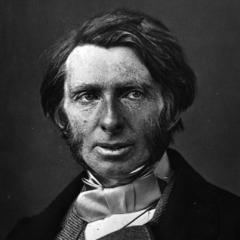
Author

John Ruskin
John Ruskin

John Ruskin was an influential British art critic, writer, and social critic. Known for his profound insights into art, architecture, and social issues, he had a significant impact on the aesthetics and culture of the Victorian era. more

You May Also Like

“God has lent us the earth for our life; it is a great entail. It belongs as much to those who are to come after us, and whose names are already written in the book of creation, as to us; and we have no right, by anything that we do or neglect, to involve them in unnecessary penalties, or deprive them of benefits which it was in our power to bequeath.”

“Depend upon it, the first universal characteristic of all great art is Tenderness, as the second is Truth. I find this more and more every day: an infinitude of tenderness is the chief gift and inheritance of all the truly great men. It is sure to involve a relative intensity of disdain towards base things, and an appearance of sternness and arrogance in the eyes of all hard, stupid, and vulgar people”

“If men lived like men indeed, their houses would be temples -- temples which we should hardly dare to injure, and in which it would make us holy to be permitted to live; and there must be a strange dissolution of natural affection, a strange unthankfulness for all that homes have given and parents taught, a strange consciousness that we have been unfaithful to our fathers honor, or that our own lives are not such as would make our dwellings sacred to our children, when each man would fain build to himself, and build for the little revolution of his own life only.”

“Along the iron veins that traverse the frame of our country, beat and flow the fiery pulses of its exertion, hotter and faster every hour. All vitality is concentrated through those throbbing arteries into the central cities; the country is passed over like a green sea by narrow bridges, and we are thrown back in continually closer crowds on the city gates.”