“The greatest part cannot know, and therefore they must believe.”
Quote by John Locke
Work
The Reasonableness of Christianity: With A Discourse of Miracles, and Part of A Third Letter Concerning Toleration
This book is a philosophical exploration into the rational aspects of Christianity, featuring analyses of miracles and the concept of religious tolerance. It delves into the logical underpinnings of Christian beliefs and practices, offering a critical examination of the role of miracles in religious faith and the importance of tolerance in religious discourse. more
Author
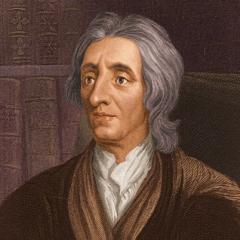
John Locke
John Locke (August 29, 1632 - October 28, 1704) was an English philosopher, political theorist, and physician, considered one of the most influential figures of the Enlightenment. His ideas have had a profound impact on political philosophy, ethics, and epistemology. more
You May Also Like
Source: Two treatises of government
Source: Two treatises of government
Source: The Second Treatise of Government and A Letter Concerning Toleration
Source: Two treatises of government
Source: Two treatises of government
Source: Locke: Political Writings
“The great art to learn much is to undertake a little at a time.”
Source: Works
Source: The Second Treatise on Civil Government