“But we are not dedicating or building any Capitol or Pyramid to human Pride, but found a holy temple in the human Intellect, on the model of the Universe... For whatever is worthy of Existence is worthy of Knowledge-which is the Image (or Echo) of Existence.”
Quote by Francis Bacon
Work
Francisci BAconi de Verulamio, ...: Novum organum, sive Indicia vera de interpretatione naturæ
Written by Francis Bacon, this book is a foundational text in the development of modern scientific thought. It emphasizes the importance of empirical evidence and systematic observation in the pursuit of knowledge, advocating for a new approach to understanding the natural world. more
Author
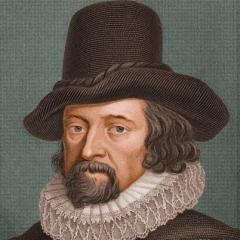
Francis Bacon
Francis Bacon, a renowned philosopher, politician, and writer, served as the Lord Chancellor of England. He is best known for his profound philosophical thoughts and extensive literary works, which have had a lasting impact on the world. more
You May Also Like
Source: The Works of Francis Bacon: Baron of Verulam, Viscount St. Albans, and Lord High Chancellor of England
Source: Selected Philosophical Works
Source: The Novum Organon,: Or a True Guide to the Interpretation of Nature
Source: The Novum Organon,: Or a True Guide to the Interpretation of Nature
Source: Philosophical works
Source: Bacon's Advancement of Learning and the New Atlantis
Source: The works of Francis Bacon, Baron of Verulam, Viscount St. Alban, and Lord High Chancellor of England, in five volumes
“I work for posterity, these things requiring ages for their accomplishment.”
Source: The Works of Francis Bacon