“We must have the real thing before we can have a science of a thing.”
Quote by James Anthony Froude
Work
Thomas Carlyle: A History of His Life in London, 1834-1881
Thomas Carlyle: A History of His Life in London, 1834-1881 is a biography that delves into the life of Thomas Carlyle, highlighting his time in London. The book covers his social interactions, intellectual pursuits, and contributions to literature and history. It provides insights into Carlyle's personal growth, his relationships with other prominent figures of the time, and the cultural and political landscape of London during the mid-19th century. more
Author
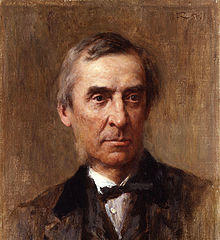
James Anthony Froude
James Anthony Froude was a British novelist born on April 23, 1818, in Edinburgh, Scotland, and died on October 20, 1894. He is renowned for his historical novels and biographical literature, particularly for his descriptions of British historical figures and events. more
You May Also Like
Source: Free Women, Free Men: Sex, Gender, Feminism
Source: Out of My Later Years: The Scientist, Philosopher, and Man Portrayed Through His Own Words
“When science starts to be interpretive it is more unscientific even than mysticism.”
Source: Complete Poems by Lawrence: Easyread Super Large 24pt Edition
Source: Selected Essays, 1934-1943: Historical, Political, and Moral Writings
“Where lies the line between sorcery and science? It is only a matter of terminology, my friend.”