“She lay down and never stirred. To move hand or foot, or even so much as one finger, would have been an exertion beyond the powers of either volition or motion. She was so tired, so stunned, that she thought she never slept at all; her feverish thoughts passed and repassed the boundary between sleeping and waking, and kept their own miserable identity.”
Quote by Elizabeth Gaskell
Work
Delphi Complete Works of Elizabeth Gaskell (Illustrated)
The Delphi Complete Works of Elizabeth Gaskell (Illustrated) is a meticulously curated compilation featuring all the literary contributions of Elizabeth Gaskell, a prominent figure in Victorian literature. This collection is enhanced with illustrations that aim to enrich the reading experience, offering a visual complement to Gaskell's timeless narratives. The works within this collection are believed to encompass her most celebrated novels and short stories, providing readers with a comprehensive view of her writing career. more
Author
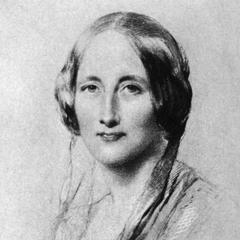
Elizabeth Gaskell
Elizabeth Gaskell was a British novelist born on September 29, 1810, in Manchester. Her works primarily depicted the social life of Britain during the Industrial Revolution, focusing on the lives of the working class. Gaskell is renowned for her delicate emotional portrayal and profound social insight, with notable works including 'Mary Barton' and 'North and South'. more
You May Also Like
Source: Delphi Complete Works of Elizabeth Gaskell (Illustrated)
Source: Norte e Sul: North and South: Edição bilíngue português - inglês
Source: The Complete Works of Elizabeth Gaskell (20+ Books)
“Oh dear! A drunken infidel weaver! said Mr. Hale to himself.”
Source: The Complete Works of Elizabeth Gaskell (20+ Books)
Source: Delphi Complete Works of Elizabeth Gaskell (Illustrated)
Source: North and South
Source: Delphi Complete Works of Elizabeth Gaskell (Illustrated)
Source: Delphi Complete Works of Elizabeth Gaskell (Illustrated)
Source: The Complete Works of Elizabeth Gaskell (20+ Books)