“The things I know, every man can know, but, oh, my heart is mine alone!”
Quote by Johann Wolfgang von Goethe
Work
The Sorrows of Young Werther and Selected Writings
This compilation includes Johann Wolfgang von Goethe's influential novel 'The Sorrows of Young Werther,' known for its emotional depth and exploration of romanticism. Additionally, it features a selection of Goethe's other works, showcasing his diverse literary contributions. more
Author
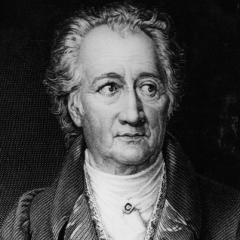
Johann Wolfgang von Goethe
Johann Wolfgang von Goethe, born on August 28, 1749, and died on March 22, 1832, was a prominent German writer, thinker, and scientist. He is one of the greatest writers in German literary history and his works have had a profound impact on the world. His most famous works include 'Faust' and 'The Sorrows of Young Werther'. more
You May Also Like
“Still, how I nearly felt. In the midst of all that looking.”
Source: Wittgenstein’s Mistress
Source: Tess of the D’Urbervilles
Source: Chronic Passions
Source: Kafka on the Shore
“The measure of your solitude is the measure of your capacity for communion.”
Source: The Genesee Diary: Report from a Trappist Monastery
Source: John Clare: Selected Poetry and Prose
Source: An Interpretation of Universal History