Quotessence
Home / Quotes / Quote by Neville Figgis

Quote by Neville Figgis

“Men have, for the most part, done with lamenting their lost faith. Sentimental tears over the happy, simple Christendom of their fathers are a thing of the past. They are proclaiming now their contempt for Christ's character, and their disgust at the very name of love. Scorn and hatred, difference and division, must be more than ever our lot, if we would be the followers of Christ in these days. Conventional religion and polite unbelief are gone forever.”

Quote by Neville Figgis

Author
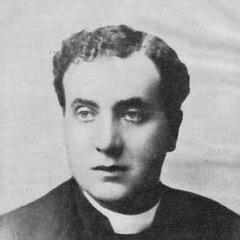
Neville Figgis
Neville Figgis

Neville Figgis, a mysterious figure born in 1866 and died in 1919. His profession and category are unknown at this time, but his life and achievements have had a profound impact on posterity. more

You May Also Like

“Or did you say it's the love of money that's the root of all evil? To love a thing is to know its nature. To love money is to known and love the fact that money is the creation of the best power within you, and your passkey to trade your effort for the effort of the best among men. It's the person who would sell his soul for a nickel, who is loudest in proclaiming his hatred of money - and he has good reason to hate it. The lovers of money are willing to work for it. They know they are able to deserve it.”

“Nursing is a kind of mania; a fever in the blood; an incurable disease which, once contracted, cannot be got out of the system. If it was not like that, there would be no hospital nurses, for compared dispassionately with other professions, the hours are long, the work hard, and the pay inadequate to the amount of concentrated energy required. A nurse, however, does not view her profession dispassionately. It is too much a part of her.”

“The nurse is temporarily the consciousness of the unconscious, the love of life of the suicidal, the leg of the amputee, the eyes of the newly blind, a means of locomotion for the newborn , knowledge and confidence for the young mother, a voice for those too weak to speak, and so on.”