“Life's irony is that as soon as worldly goods and worldly success are of no concern to you, the way is open for them to flow to you.”
Quote by Neale Donald Walsch
Work
Conversations with God: An Uncommon Dialogue
This book presents a series of conversations between the author and a divine entity, addressing profound questions about existence, purpose, and the nature of God. The text delves into various aspects of spirituality, ethics, and human experience, aiming to provide a unique perspective on life's deeper meanings. more
Author
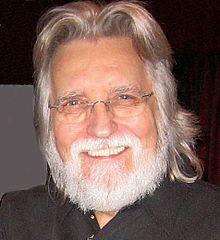
Neale Donald Walsch
Neale Donald Walsch is an American author renowned for his series of books on conversing with the universe. His work 'Conversations with God' has had a widespread impact since its publication in 1995. Walsch's books typically explore themes of personal growth, spiritual exploration, and cosmic consciousness. more
You May Also Like
“Thank you, God, for bringing me success in my life.”
Source: Conversations with God: An Uncommon Dialogue
Source: Experimental and chemical studies of the blood: with an appeal for more extended chemical training for the biological and medical investigator