“The pressure remains all in one direction, toward doing more, because the only mistake clinicians seem to fear is doing too little. Most have no appreciation that equally terrible mistakes are possible in the other direction—that doing too much could be no less devastating to a person's life.”
Quote by Atul Gawande
Work
Being Mortal: Medicine and What Matters in the End
In this insightful book, the author delves into the complexities of aging and the end of life, examining the intersection of medicine, ethics, and personal values. The narrative explores the challenges faced by patients, families, and healthcare providers as they navigate the final stages of life, emphasizing the need for meaningful conversations and the pursuit of a good quality of life. more
Author
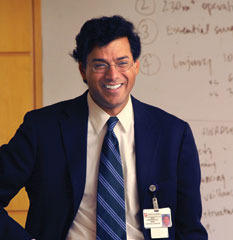
Atul Gawande
Atul Gawande is a renowned American surgeon and writer. Born on November 5, 1965, in Mumbai, India, he immigrated to the United States. Gawande is known for his expertise in surgery and his profound insights into the healthcare system. His writings cover a range of topics from surgical techniques to medical ethics, and have been well-received by readers. more
You May Also Like
“Balanced at the top of the hill Do I explore the other side”
“By the time your perfect information has been gathered, the world has moved on.”
Source: The 60 Second Leader: Everything You Need to Know About Leadership, in 60 Second Bites
Source: That Thing We Call a Heart
Source: The Use of Knowledge in Society
Source: The Eye of Zoltar
Source: The Cancer Journals