“Constipation ran Presley's life. Even his famous motto TCB— 'Taking Care of Business'— sounds like a reference to bathroom matters.”
Quote by Mary Roach
Work
Gulp: Adventures on the Alimentary Canal
A non-fiction book that takes readers on a journey through the human body's digestive process, blending scientific explanations with humorous anecdotes and personal insights. more
Author
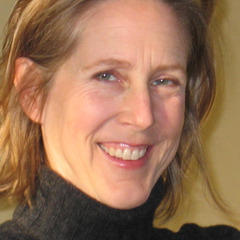
Mary Roach
Mary Roach is an American author known for her in-depth exploration of science and technology. Her works are characterized by their humorous and accessible presentation of complex concepts, covering topics such as space exploration, medicine, death, and religion. Roach's books have received high praise from both academic and general readers. more
You May Also Like
Source: Mixed Metaphors: Their Use and Abuse
“However stone dead such metaphors seem, we can easily wake them up.”
Source: The Philosophy of Rhetoric
“Being open-minded dramatically reduces one’s chances of getting a permanent tattoo.”
Source: Elsey Come Home
“Mysticism is colourful and alluring, but if you are after the truth, science is the best path!”
Source: The Transparency of Evil: Essays in Extreme Phenomena