Quotessence
Home / Quotes / Quote by Soren Kierkegaard

Quote by Soren Kierkegaard

“So to be sick unto death is, not to be able to die-yet not as though there were hope of life; no, the hopelessness in this case is that even the last hope, death, is not available. When death is the greatest danger, one hopes for life; but when one becomes acquainted with an even more dreadful danger, one hopes for death. So when the danger is so great that death has become one's hope, despair is the disconsolateness of not being able to die.”

Quote by Soren Kierkegaard

Work

Sickness Unto Death

This book delves into the concept of despair, examining its role in the human experience and its implications for understanding life and death. more

Author

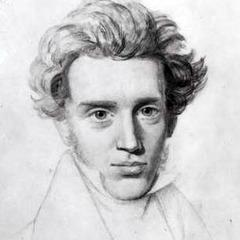
Soren Kierkegaard
Soren Kierkegaard

Søren Kierkegaard was a 19th-century Danish philosopher known for his existentialist philosophy and profound explorations of religious, ethical, and aesthetic issues. His ideas have had a profound impact on subsequent philosophers and literature. more

You May Also Like

“Devotion {to the spiritual master} becomes the purest, quickest, and simplest way to realize the nature of our mind and all things. As we progress in it, the process reveals itself as wonderfully interdependent: We, from our side, try continually to generate devotion; the devotion we arouse itself generates glimpses of the nature of mind, and these glimpses only enhance and deepen our devotion to the master who is inspiring us. So in the end devotion springs out of wisdom: devotion and the living experience of the nature of mind becomes inseparable, and inspire one another.”

“We need to promote greater tolerance and understanding among the peoples of the world. Nothing can be more dangerous to our efforts to build peace and development than a world divided along religious, ethnic or cultural lines. In each nation, and among all nations, we must work to promote unity based on our shared humanity.”

“It is particularly recommended, as a means of uniting the inhabitants of the village into one family, that while each faithfully adheres to the principles which he most approves, at the same time all shall think charitably of their neighbours respecting their religious opinions, and not presumptuously suppose that theirs alone are right.”