Quotessence
Home / Quotes / Quote by Charlie Chaplin

Quote by Charlie Chaplin

“Acquaintances were willing to enter into the warmest of friendships and share my problems as though they were relatives. It was all very flattering, but my nature does not respond to such intimacy. I like friends as I like music - when I am in the mood. Such freedom, however, was at the price of occasional loneliness.”

Quote by Charlie Chaplin

Work

My Autobiography

Browse quotes and source details for this work. more

Author

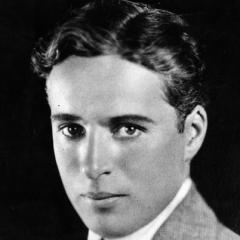
Charlie Chaplin
Charlie Chaplin

Charlie Chaplin, born on April 16, 1889, was a renowned actor, director, screenwriter, and producer from the United Kingdom. Known as the 'King of Comedy,' he was famous for his unique comedic style and profound performances. Chaplin's films, which deeply exposed social injustice and human suffering, have had a profound impact on the world. more

You May Also Like

“Manhattan across the water, the glittering towers. I was working, but I didn't have anything like enough to do, and the bad times came in the evenings, when I came back to my room, sat on the couch and watched the world outside me going through on glass a lightbulb at a time.”

“I know he wasn’t perfect… But he did the best impression of it I’ve ever seen.”

“Doralice looked out at the sea searching for Hans' boat. She did not love the sea with its constant drowsy glitter. It was always there, one could see it from everywhere, one could hear it everywhere, everyone spoke of it: the monosyllabic fishermen, when they spoke, spoke of the sea, her uncommunicative husband, when he spoke, spoke of the sea. For her, though, the sea seemed to exhale a boundless, oppressive loneliness.”

“Traumas embed when our system is overwhelmed by pain and fear without having sufficient internal resources or companionship to help integrate the experience ... Our people may see others being present, but as either unavailable for support or actively injurious, or the experience may have been so terrifying that even had someone tried to help, our people might not have been able to receive it ... what remains now is a sense of isolation with the remaining anguish and terror. Over the years, I have found that as soon as a sense of accompaniment enters the memory, there is a new foundation for doing the work. Just as our people have internalized those who injured them, that same capacity can bring us inside to support processing the emotions and to resolve this primary wound of being alone.”