Quotessence
Home / Quotes / Quote by Lynne Tillman

Quote by Lynne Tillman

“Ulysses pissed me off. When Molly Bloom just says, "Yes I said yes I will Yes." And I'm thinking, You should be saying no, Molly. How about no? Saying no is great.”

Quote by Lynne Tillman

Author
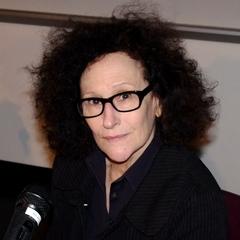
Lynne Tillman
Lynne Tillman

Lynne Tillman is an American contemporary novelist, born in 1947. Her works are known for their unique narrative style and profound social insights, often focusing on modern urban life and the roles and identities of individuals within society. more

You May Also Like

“In Germany, they were very interested in talking about their past. I respect that, and I think they've done quite well. It's become a kind of obsession, as it bloody well should, when compared, for example, to France, which hasn't done anything. France has done no work about their part in transporting eighty thousand people to their deaths. They are still the guy in the leather jacket with the onion, who's a part of La Résistance. In fact, they collaborated, not resisted.”

“We can create the sensation of community through the accrual of actions, and that's often the clichéd way that storytelling is talked about, as someone taking a solo, and that's great for lots of reasons. But I don't really like to feel like I'm forced to listen to it in a certain way, or that there is one master reading of performance. I think what we want from performance is multiplicity, which is lots of ways in and through it, because it's for lots of people, and it was created by lots of people, often.”

“I've put live performance in a lot of spaces. Part of what I want to do is take over the takeover. Another way that someone put it is, you climb over the fence and you cut a hole in it, and let everyone else in. That's kind of what this is. The museum is a repository of great works, but there is certain work that no one ever calls great. This is an insistence on directing their attention to other stuff that's great, that never gets to be in a museum.”

“You figure out how to create opportunities to make music, and then, if you take care of the music, audiences will come around. They also might leave. What matters is the moment: the moment of making music, with and for and among others, and what that offers to those people in that moment. They might never see me again; they might never learn my name. But it might still be something they carry with them.”