“Too liberal self-accusations are generally but so many traps for acquittal with applause.”
Quote by Samuel Richardson
Work
Pamela Volume 2: Samuel Richardson Collections
This volume is part of a series by Samuel Richardson, a prominent English writer of the 18th century. It includes the continuation of the novel Pamela, which is renowned for its detailed portrayal of the protagonist's journey through societal expectations and personal growth. The collection delves into themes such as virtue, class distinction, and the complexities of human relationships, reflecting the social and moral landscape of the period. more
Author
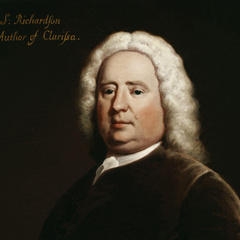
Samuel Richardson
Samuel Richardson (August 19, 1689 - July 4, 1761) was an 18th-century English writer, widely regarded as one of the founders of the modern English novel. Born in London during the reign of James II, he initially worked in book printing and publishing before turning to writing. Richardson's major works include 'Pamela,' 'Clarissa,' and 'Sir Charles Grandison,' which are renowned for their psychological depth and vivid character development. He pioneered the use of diary and epistolary formats, allowing readers intimate access to characters' inner worlds. His novels were immensely popular in their time and significantly influenced the development of the novel form, particularly in psychological characterization and social commentary. Richardson's focus on moral instruction and feminine virtue reflected 18th-century English societal values. more
You May Also Like
“People hardly ever do anything in anger, of which they do not repent.”
Source: A collection of the moral and instructive sentiments, maxims, cautions, and reflexions, contained in the histories of Pamela, Clarissa, and Sir Charles Grandison: Digested under proper heads, with references to the volume, ...
“It is but shaping the bribe to the taste, and every one has his price.”
Source: A collection of the moral and instructive sentiments, maxims, cautions, and reflexions, contained in the histories of Pamela, Clarissa, and Sir Charles Grandison: Digested under proper heads, with references to the volume, ...
“Chastity, like piety, is a uniform grace.”
Source: A collection of the moral and instructive sentiments, maxims, cautions, and reflexions, contained in the histories of Pamela, Clarissa, and Sir Charles Grandison: Digested under proper heads, with references to the volume, ...
Source: Letters and passages restored from the original manuscripts of the History of Clarissa. To which is subjoined, a collection of such of the moral and instructive sentiments ... contained in the History, as are presumed to be of general use and service ... Published for the sake of doing justice to the purchasers of the first two editions of that work
Source: A collection of the moral and instructive sentiments: a facsimile reproduction
Source: A collection of the moral and instructive sentiments: a facsimile reproduction
“Whom we fear more than love, we are not far from hating.”
Source: Clarissa; Or, The History of a Young Lady: Comprenhending the Most ...
“A man who flatters a woman hopes either to find her a fool or to make her one.”
Source: Letters and passages restored from the original manuscripts of the History of Clarissa. To which is subjoined, a collection of such of the moral and instructive sentiments ... contained in the History, as are presumed to be of general use and service ... Published for the sake of doing justice to the purchasers of the first two editions of that work
“A fop takes great pains to hang out a sign, by his dress, of what he has within.”
Source: Clarissa: Or, The History of a Young Lady Comprehending the Most Important Concerns of Private Life; and Particularly Shewing the Distresses that May Attend the Misconduct Both of Parents and Children, in Relation to Marriage
Source: A collection of the moral and instructive sentiments, maxims, cautions, and reflexions, contained in the histories of Pamela, Clarissa, and Sir Charles Grandison: Digested under proper heads, with references to the volume, ...