“When a finished work of 20th century sculpture is placed in an 18th century garden, it is absorbed by the ideal representation of the past, thus reinforcing political and social values that are no longer with us”
Quote by Robert Smithson
Work
Robert Smithson, the Collected Writings
This volume gathers the major writings of Robert Smithson, a pioneering figure in the land art movement of the 1960s and 1970s. The collection presents his essays, such as 'The Sedimentation of the Mind: Earth Projects,' along with interviews, proposals, and critical reflections that articulate his conceptual approach to sculpture, site-specificity, and the relationship between art and the natural environment. Smithson's writings often engage with themes of entropy, time, and the industrial landscape, offering a theoretical foundation for his earthworks like the Spiral Jetty. The book serves as a primary source for understanding his artistic philosophy and his influence on contemporary art discourse. more
Author
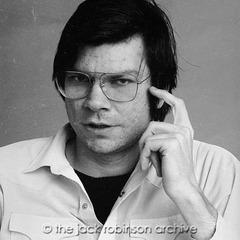
Robert Smithson
Robert Smithson was an American artist known for his land art works. His practice often involved large-scale land transformations and interactions with the natural environment, with iconic pieces such as 'Spiral Jetty' and 'Land Art'. Smithson's art challenged the boundaries of traditional art media and sparked widespread discussions about the relationship between art, nature, and humanity. more
You May Also Like
“May I a small house and large garden have; And a few friends, And many books, both true.”
Source: Poems
“There's no doubt that motherhood is the best thing in my life. It's all that really matters.”
“"Novels and gardens," she says. "I like to move from plot to plot."”
“The market is the best garden.”
Source: The English poems of George Herbert, together with his collection of proverbs entitled Jacula prudentum
Source: Life & Times of Michael K.: A Novel