“Pleasure disappoints, possibility never. And what wine is so sparkling, who so fragrant, what so intoxicating, as possibility.”
Book:Either/ Or
“Pleasure disappoints, possibility never. And what wine is so sparkling, who so fragrant, what so intoxicating, as possibility.”
This book presents a dialectical examination of two fundamentally opposed approaches to living. One perspective emphasizes immediate sensory experience, artistic pursuit, and the avoidance of commitment, while the other advocates for moral responsibility, sustained choice, and the formation of character through decisive action. The text unfolds as a series of letters and reflective essays that dramatize the tension between living for the moment and living for eternity. Through its pseudonymous authorship and layered narrative structure, the work raises enduring questions about authenticity, despair, and the conditions for a meaningful life without prescribing definitive answers. more
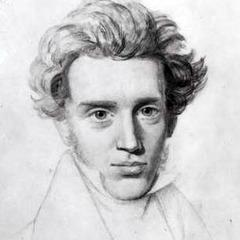
Søren Kierkegaard was a 19th-century Danish philosopher known for his existentialist philosophy and profound explorations of religious, ethical, and aesthetic issues. His ideas have had a profound impact on subsequent philosophers and literature. more
“The expense is damnable, the position is ridiculous, and the pleasure fleeting.”